Written in collaboration with vets
Why Is My Cat Always Hungry?

 Share
Share
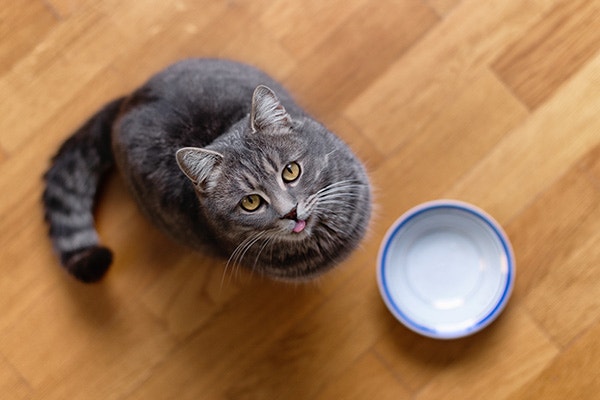
Many pet parents worry when their cat always seems hungry, pawing at their bowl even after mealtimes. While an occasional snack request is standard, persistent begging and vocalisation, especially when your cat is always hungry and meowing, can signal underlying issues. From low-quality diets to health concerns, it’s essential to understand what’s driving your cat’s appetite. See our wet vs dry cat food for guidance on choosing the right texture and hydration balance.
How Much Food Does a Cat Need?
The correct portion size depends on your cat’s weight, age, and activity level. A sedentary adult cat generally requires around 200–250 calories daily, while more active or larger breeds may need up to 300 calories. Kittens, seniors, and pregnant cats have different requirements, so always check feeding guidelines on your chosen food pouch.
Too many treats or irregular meals can lead to a cat that seems constantly hungry—prompting concerns like, “why is my cat eating so much?” or “Why is my cat so hungry?” Following a structured feeding schedule—ideally using the portion recommendations printed on Sheba wet cat food pouches—helps prevent overfeeding and ensures your cat receives balanced nutrition.
Common Reasons Cats Seem Always Hungry
Even the most pampered feline can put on a convincing performance when it comes to mealtime. Before assuming your cat’s behaviour is purely driven by appetite, it helps to understand the underlying causes. Every cat is an individual—factors like age, breed, and activity level all shape hunger signals. Below, we explore the four most frequent explanations for why your feline friend may appear perpetually ravenous.
- High activity levels: Energetic cats burn more calories, so if your cat races around the house or dashes after toys, you may notice them acting like they’re constantly on the hunt for their next meal. This could be the answer if you’re wondering why my cat is so hungry.
- Nutrient‐poor diet: Low-quality foods lacking nutrients can leave cats unsatisfied. A diet formulated for growth and maintenance—learn about the difference between kitten and cat food—helps curb constant hunger.
- Feeding schedule misalignment: Skipping meals or irregular portions confuses a cat’s internal clock. Cats thrive on routine, so inconsistent feeding can result in more frequent urges to snack. An inconsistent feeding schedule can lead you to ask, “why is my cat always hungry and meowing for a predictable snack.
- Attention-seeking behaviour: Some cats learn that vocal demands or rubbing against you result in treats. What starts as affection can be mistaken for hunger, reinforcing the cycle of begging.
Each cat’s appetite is unique, and age plays a significant role. You might be wondering why cats are always hungry even after feeding them multiple times a day? Kittens grow rapidly and need more frequent meals, but if your kitten’s appetite feels excessive, it’s worth checking their food quality and schedule, or speaking with your vet.
Why Is My Kitten Always Hungry?
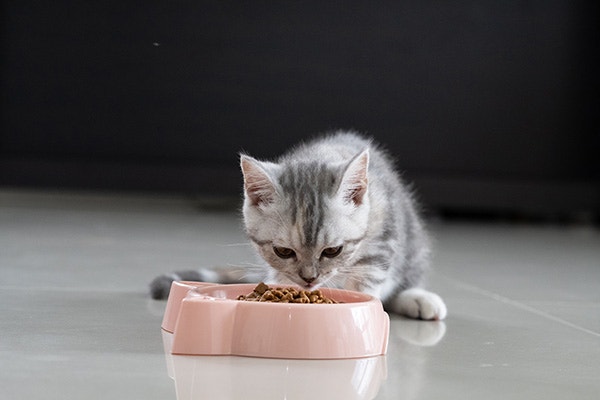
Kittens grow at lightning speed. Their high energy levels and fast metabolism mean they burn calories quickly. Appetite spikes are common during weaning (around 4–8 weeks) or growth phases, so asking “why is my kitten always hungry” can be part of normal development. Feeding kittens 3–4 times daily with appropriate portions ensures they receive the necessary nutrients.
To meet their soaring energy needs, provide five to six small meals daily, using the tips in our how often to feed a kitten guide. Ensure each feeding offers balanced kitten nutrition—mixing wet and dry—so they get the protein, fats, and vitamins essential for healthy bones and bright eyes. A consistently satisfied kitten is on the path to becoming a robust, content cat.
Is It Normal for Cats to Beg for Food?
Most cats learn quickly that mealtimes generate attention—and perhaps a tasty reward. If yours has perfected the art of the plaintive meow, you’re not alone. Vocal breeds like the Siamese are especially prone to turning dinner into a performance, but even mellow Persians can train their owners to refill the bowl at the first hint of why is my cat still hungry after eating.
Over time, cats associate certain behaviours—yowling at their food bowls, rubbing against your legs—with getting what they want. This learned routine can become a habit, where the cat “asks” for food even if they’ve recently eaten. To channel begging into a positive experience, try interactive feeders or scattering a few kibble pieces on a puzzle mat. For guidance on healthily introducing solid meals, see our article on feeding a kitten.
When Should You Worry About Excessive Hunger?
If you’re wondering, why is my cat eating so much all of a sudden, and they’re losing weight or acting lethargic, it’s time to consult your vet. It’s normal for a cat to perform enthusiastically at the food bowl, but certain signs call for veterinary attention.
Watch for a sudden increase in appetite, weight loss despite eating normally or vomiting and changes in stool. Carefully consider if your cat’s appetite shifts from “healthy” and you’re suddenly wondering, why is my cat eating so much, they’re losing weight or acting lethargic, it’s time to consult your vet.
Persistent demands—especially if paired with lethargy or digestive upset—could indicate conditions like hyperthyroidism or diabetes. Likewise, if you notice your feline friend refusing to settle after meals or exhibiting signs of discomfort, consult your vet rather than assuming its behaviour if you’re concerned.
On the other hand, kittens naturally experience a growth-spurt hunger, which makes new cat owners wonder why is my kitten always hungry? But if even multiple small meals don’t satisfy them, or they show distress around mealtimes, book a check-up. Early intervention ensures adult cats and kittens stay healthy, happy, and well-nourished. For more on appetite changes, see our guide to a cat not eating.
Tips to Manage a Hungry Cat
Even if your cat always seems hungry, small adjustments to their routine can make a big difference. Whether you’re dealing with constant meowing at the food cupboard or a feline who eats quickly and still begs for more, these simple tips can help curb excessive hunger while supporting your cat’s overall wellbeing.
- Scheduled mealtimes, rather than free-feeding, help your cat understand when to expect food and can reduce that familiar pattern of a cat always hungry and meowing for more.
- Puzzle or slow feeders encourage natural foraging behaviour and slow down rapid eating.
- Offer high-protein, satisfying food to keep your cat full longer.
- Add environmental enrichment—perches, scratching posts, interactive toys—to ward off boredom-driven hunger cues.
- Limit treats to avoid excess calories and reinforce good behaviour without overfeeding.
- Choose indulgent yet balanced options like Sheba® wet cat food for a more rewarding, nutritionally complete meal. For more ideas on creating an engaging home, see our cat care tips.
Could Your Cat Just Be Bored?
Sometimes, a seemingly insatiable appetite is a plea for attention or stimulation. If your cat races to the bowl and paces the house, try replacing part of feeding time with dedicated play sessions. Interactive games—feather wands, laser pointers, or treat puzzles—offer mental and physical exercise, curbing “hunger” cues from boredom.
By intertwining mealtime with bonding activities, you signal that food and fun come from you. Sharing a Sheba snack during play reinforces positive associations, deepening your connection and keeping both hunger and loneliness at bay.
Final Thoughts on Hungry Cats
A cat always hungry isn’t necessarily a cause for concern—it may simply be signalling a need to revisit their routine, food quality, or stimulation. Sometimes, hunger cues reveal gaps in your cat’s feeding schedule, food satisfaction, or daily stimulation. You can better understand your cat's needs with a bit of observation, balanced nutrition, and moments of play and bonding. Thoughtful care, supported by indulgent options like SHEBA® wet cat food, helps turn excessive hunger into happy, healthy mealtimes.
Cat Always Hungry - FAQs
Why does my kitten act like they are starving?
Growing kittens have high energy demands and often display certain behaviours that cause owners to think why my cat is so hungry. Rapid growth phases and playful bursts mean they need frequent, small meals; ensure you follow a kitten feeding guide, like how often to feed a kitten.
Should I let my kitten eat as much as they want?
Free-feeding can lead to overeating and weight issues. Instead, offer measured portions at regular intervals. A structured feeding schedule prevents my kitten from always being hungry and supports healthy growth.
Why is my kitten still hungry after feeding?
Occasionally, kittens appear unsatisfied due to meal size, food type, or rapid growth. Ensure you’re providing age-appropriate, high-protein kitten food and follow portion guidelines. Consult your vet if you’re noticing your cat still seems hungry after eating could be a sign they’re not getting enough nutrients from their food.
Why is my kitten always asking for food?
Beyond genuine growth hunger, kittens may meow for attention or play. Distinguish between true appetite and behavioural cues by incorporating play-feeding activities and enrichment if you’re concerned that your cat is always hungry and meowing.